Mofongo
Fried green plantains mashed with garlic, chicharron, and olive oil — Puerto Rico's most iconic dish.
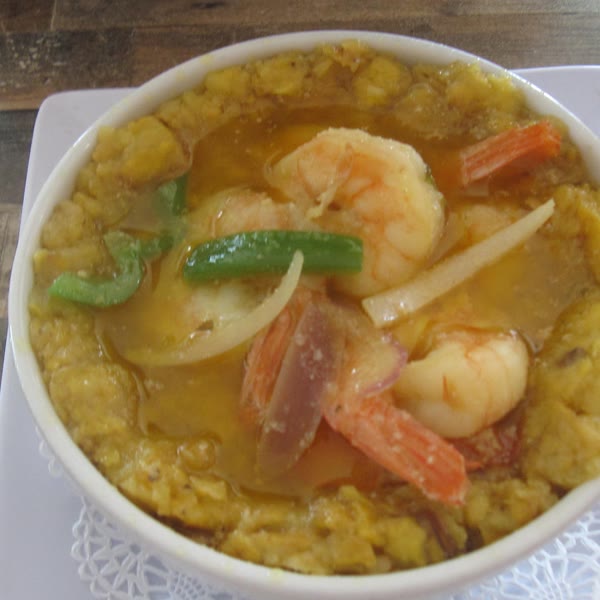
Mofongo is Puerto Rico's most iconic dish — a dense, savory dome of fried green plantains pounded with garlic, chicharron (pork cracklings), and olive oil. The word comes from the Angolan Kimbundu word mfongo, a direct reflection of the African roots of this dish. Enslaved Africans brought the technique of pounding starchy vegetables in a mortar, and Puerto Ricans made it their own with garlic and pork. Every bite carries centuries of history. You'll find mofongo on virtually every Puerto Rican restaurant menu, from humble roadside frituras in Loiza to high-end kitchens in Santurce. The dish is traditionally served in a pilon (wooden mortar) with a well in the center for gravy, shrimp, or stewed meat. Making it at home is simpler than it looks — the key is fresh green plantains and working fast while everything is hot.
What is Mofongo?
Mofongo is a Puerto Rican dish made from green (unripe) plantains that are fried until golden, then mashed in a mortar called a pilon with garlic, olive oil, and chicharron. The result is a dense, garlicky, deeply savory mass that's shaped into a dome and served as a main dish or side. It's the Puerto Rican equivalent of mashed potatoes — but with more attitude, more garlic, and a crispy pork element that makes it impossible to stop eating.
The African origins of mofongo are clear in its preparation method. The pilon (mortar and pestle) technique is West African in origin, and the word itself traces back to Kimbundu, a Bantu language spoken in Angola. When enslaved Africans were brought to Puerto Rico, they brought their cooking techniques, and mofongo emerged as a fusion of African pounding methods with New World ingredients like plantains and garlic. Today it's considered the national dish alongside arroz con gandules.
Ingredients
For 4 servings:
- 4 green plantains — must be green, not yellow. Green plantains are starchy and firm; yellow ones are sweet and will turn to mush. Check the skin — it should be hard to peel.
- 6 cloves garlic, minced — not pressed. You want visible garlic pieces in every bite, not garlic juice.
- 1/2 cup chicharron (pork cracklings), crushed — buy pre-made at Latin grocery stores, or make your own by frying pork skin until puffy and crispy.
- 3 tablespoons olive oil — or butter for a richer, more indulgent version.
- 1 teaspoon salt — adjust to taste. The chicharron is already salty, so taste before adding more.
- 1/2 cup warm chicken broth — for moisture. Water works in a pinch but broth adds depth.
Step-by-Step Instructions
Tips for Perfect Mofongo
- Use a pilon. A wooden mortar and pestle gives the best texture — slightly chunky with visible garlic pieces. A potato masher works but produces a smoother, less authentic result.
- Work fast. Once the plantains hit the mortar, you have about 2 minutes before they cool and become impossible to mash. Have the garlic, chicharron, and oil measured and ready.
- Toast the garlic first (optional). For deeper flavor, fry the minced garlic in the olive oil for 30 seconds before adding to the mortar. It adds a nutty, caramelized dimension.
- Green plantains only. Yellow plantains are sweet — they're for amarillos (sweet fried plantains), not mofongo. If your plantains have any yellow on them, wait a few more days or find greener ones.
Want more recipes like this?
La Mesa Boricua — the complete bilingual cookbook with 30 authentic Puerto Rican recipes.
Get the Cookbook — $47Or start with the $9 Starter Kit